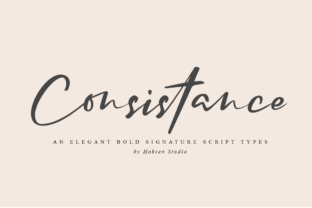
Calledliner: The Authentic Vibe for Strategic Clarity
In a digital landscape saturated with complex tools and overwhelming dashboards, the allure of simplicity is often a strategic advantage. Calledliner represents this principle in practice. It is not a sprawling platform, but a sweet and simple script with an authentic vibe. This inherent simplicity is its core strength, offering a focused method for crystallizing thoughts, defining directions, and communicating intent with clarity. For professionals, creators, and decision-makers, Calledliner serves as a strategic lens, cutting through noise to reveal essential lines of action.
The Strategic Utility of a Simple Script
Why would a simple script hold value for ambitious goals? The answer lies in the psychology of execution. Complex planning often leads to paralysis. Calledliner, by virtue of its design, forces a constraint that is liberating: the need to distill. When you engage with Calledliner, you are engaging in a deliberate exercise of prioritization. It asks you to define a single, clear line—a called line. This act is fundamentally strategic. It moves you from vague aspiration to tangible intention, a critical leap for any project, campaign, or personal development goal.
From Ambition to Action: Calledliner as a Planning Catalyst
Consider the common planning pitfalls: sprawling lists, overlapping objectives, and unclear next steps. Calledliner mitigates these by providing a format for commitment. Before drafting a full project plan or a marketing strategy, using Calledliner to establish your primary “called line” can anchor everything that follows. For an entrepreneur, this might be “Secure three pilot customers by Q3.” For a content creator, it could be “Develop a signature video style that teaches through metaphor.” This declared line becomes your strategic north star, informing subsequent decisions on resource allocation, communication, and daily focus.
The authentic vibe of Calledliner—its unpretentious, text-based nature—also reduces friction. There is no learning curve or setup overhead. This allows the tool to integrate seamlessly into existing workflows, whether you are sketching ideas in a notebook, planning a team meeting agenda, or refining your personal brand’s core message. Its utility is in its immediacy.
Intentional Application: Where and How to Use Calledliner
The power of Calledliner is unlocked not by using it constantly, but by using it thoughtfully at key inflection points. Its value is contextual. Relying on it without clear goals or a framework for integration can lead to a collection of disjointed statements without strategic impact.
Key Strategic Inflection Points for Calledliner
- Project Initiation: Before resources are committed, define the project’s called line. What is the single most important outcome we must achieve?
- Weekly Planning: At the start of a work cycle, declare a personal or team called line for the week. This focuses effort and reduces reactive task-switching.
- Creative Briefing: Use Calledliner to state the core creative or emotional intention for a piece of work (e.g., “This campaign should make feasibility feel exciting”).
- Personal Brand Positioning: Distill your professional offering into a called line that guides your public communication and content choices.
- Meeting Framing: Begin a discussion by sharing the called line for the session, ensuring conversational alignment.
The approach is straightforward but requires discipline. Write your Calledliner statement plainly. Avoid jargon. Let its authentic vibe keep it human and direct. Then, place that statement where you will see it regularly—at the top of a document, in your daily planner, as a sticky note on your monitor. Its purpose is not to be filed away, but to serve as a constant operational reference.
Practical Examples of Strategic Called Lines
To move from theory to practice, consider these grounded applications:
- A freelancer combating scope creep might call the line: “Deliver the agreed core functionality before exploring additions.” This governs client conversations and time management.
- A marketer launching a new product could use: “Communicate the one unique pain point this solves.” This focuses all copy and asset creation.
- An educator designing a course module might declare: “Ensure learners can perform the basic procedure unaided.” This streamlines lesson content and assessment design.
- A small business owner reviewing operations could set: “Identify the single biggest friction point in the customer onboarding journey.” This directs analysis and improvement efforts.
In each case, Calledliner provides a filter. New ideas, tasks, or requests can be evaluated against the called line. Does this advance us toward that line? If not, it can be deferred or declined. This is where Calledliner transitions from a simple script to a strategic decision-making framework.
Risks and Considerations: Avoiding Superficial Use
Like any tool, Calledliner can be misapplied. The primary risk is using it as a mere motivational quote generator—creating catchy lines that lack connection to actual plans or capabilities. A called line like “Dominate the market” is empty without a concrete plan beneath it. The script’s simplicity can seduce users into believing the statement alone is enough. It is not. Calledliner is the tip of the spear; the shaft and the thrust must come from your subsequent actions and planning.
Another consideration is the need for periodic review. A called line is valid for a specific context or timeframe. As projects evolve or new information arrives, your Calledliner statement should be revisited and potentially revised. Locking in a line without a review mechanism can lead to strategic rigidity. The authentic vibe of Calledliner should be coupled with an authentic practice of reflection.
Finally, understand that Calledliner excels at focus, but not at complexity mapping. It is a tool for establishing primary direction, not for detailing multi-dependent pathways. For complex projects, it should be used in conjunction with more granular planning tools, where it serves as the guiding principle for those detailed plans.
Cultivating Long-Term Value Through Consistent Practice
The enduring benefit of Calledliner is not in any single output, but in the cultivated habit of strategic distillation. Regularly practicing the exercise of defining a called line sharpens your ability to identify core objectives amidst a sea of possibilities. This skill enhances communication, as you learn to articulate priorities with greater clarity to teams, stakeholders, and yourself. Over time, this can transform operational efficiency and personal effectiveness.
For branding and customer experience, a well-considered called line can ensure consistency. If a business’s operational called line is “Resolve support queries with empathy and speed,” that line can permeate training, process design, and performance metrics, creating a coherent experience. Calledliner, in this sense, becomes a seed for cultural or operational alignment.
For learning and personal development, using Calledliner to set a learning intention—“Understand the fundamental mechanics of SEO authority”—can direct your study, preventing you from bouncing between unrelated tutorials without depth. The script’s simplicity makes it a lightweight companion for growth.
Integrating Calledliner Into Your Decision-Making Fabric
To move beyond random use, anchor Calledliner in your existing decision rhythms. Tie it to your weekly review process. Use it as the first step in any new initiative proposal. Employ it when you feel a sense of strategic drift or team misalignment. By making it a ritual at these natural decision points, you ensure its application is intentional and impactful. The goal is to make the act of calling a line as habitual as checking a calendar—a fundamental part of how you orient your effort toward meaningful outcomes.
In essence, Calledliner is more than a script; it is a practice. Its sweet and simple nature lowers the barrier to entry, while its requirement for authentic declaration raises the standard of clarity. By adopting it with strategic intent, you harness a powerful tool for focus, alignment, and ultimately, better results.