The Alleha Script: Honoring Tradition in Modern Design Workflows
For anyone working in the digital creative space, the pursuit of unique and resonant visual language is a constant process. Typography is a cornerstone of this pursuit, often acting as the first point of emotional and stylistic contact with an audience. In a landscape saturated with clean, geometric sans-serif fonts, there exists a growing desire for typefaces that carry history, warmth, and artisan character. This is where Alleha enters the workflow.
Alleha Defined: A Homage to Classic Calligraphy
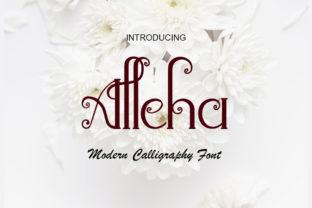
Alleha is not merely another decorative font. It is a meticulously crafted digital script that pays homage to the elegance and fluidity of classic calligraphy. Its design process involves a deep study of traditional penmanship, capturing the nuanced weight variations, natural ligatures, and graceful strokes that define hand-lettered art. The outcome is a typeface that bridges eras, offering the authentic feel of a crafted manuscript while functioning seamlessly as a modern, scalable digital asset.
This duality is key to its practical integration. A designer or marketer can call upon the heritage and authority of classical forms without sacrificing the efficiency, consistency, and compatibility required in today's fast-paced production environments. Alleha fits into a broader creative process as a specialized tool for elevation, used at specific points to inject a layer of sophistication, personality, or historical reference.
Integrating Alleha into Project Planning and Execution
The most effective use of Alleha begins not at the moment of font selection, but earlier in the planning phase. When defining a project's brand voice, mood, or target audience, consider if the values of craftsmanship, tradition, elegance, or personalized artistry are relevant. If they are, Alleha becomes a candidate for your typographic palette.
Pre-Project: Asset Selection and Style Guide Creation
During the initial asset gathering and style guide creation, evaluate Alleha alongside your other font choices. A practical approach is to test it in three core roles:
- As a primary display font: For logos, headlines, and key promotional text where its character can shine without legibility concerns at smaller sizes.
- As an accent font: For pull quotes, product names, or special section headers within a layout dominated by more neutral typefaces.
- As a paired script: Test its compatibility with your chosen serif or sans-serif body fonts. A well-paired combination ensures visual harmony and reinforces the intended hierarchy.
This testing phase prevents mid-project surprises regarding spacing, weight, or aesthetic clash. Establish clear rules in your style guide: specify where Alleha can and cannot be used, its approved sizes, and any required letter-spacing adjustments for specific applications. This upfront work ensures consistency and quality control across all outputs, from a single social media graphic to an entire website.
During Project Execution: Practical Application Tips
When actively designing, a few practical observations will streamline your use of Alleha.
First, respect its calligraphic nature. Allow for ample white space around text set in Alleha. Its flowing strokes and organic forms need space to breathe and be appreciated, much like a piece of art on a gallery wall. Crowding it with other elements diminishes its impact.
Second, leverage its inherent ligatures and alternates if available. These features are direct inheritances from its calligraphic roots and are designed to create more natural, connected letter combinations. Using them enhances the authenticity of the script and avoids a stiff, digitally-assembled look.
Third, consider context. Alleha can elevate wedding invitations, boutique brand packaging, historical documentary titles, or artisan product websites. It might be less suitable for a technical manual or a high-energy sports banner. Matching the font's emotional tone to the project's content is a crucial step in execution.
Alleha in Collaborative and Multi-Platform Workflows
Creative work often involves collaboration and cross-platform publishing. Here, Alleha's role requires consideration for usability and compatibility.
When sharing design files with team members or clients, include a brief note on the font's intended usage as defined in the style guide. This prevents misuse and maintains design integrity. For digital projects, ensure Alleha performs well across browsers and devices by testing its rendering on various screens. As a display font, its web font loading should be optimized to prevent layout shifts or delays that impact user experience.
In print workflows, confirm that the print provider can handle the font file and that the chosen paper and printing method (e.g., letterpress, digital print) complement the script's delicate details. A textured paper might enhance its classic feel, while a low-resolution print could blur its fine strokes.
Interaction with Other Tools and Resources
Alleha does not exist in isolation. It interacts with your entire toolkit.
- With design software: Utilize your software's glyph panels to access full character sets. Use global color swatches and effect styles to ensure any treatments applied to Alleha (like subtle gold foiling simulations) are consistent.
- With asset libraries: Store Alleha alongside matching graphic elements—perhaps custom icons or borders inspired by the same classical era—to create cohesive, ready-to-use template kits.
- With project management platforms: Tag tasks or projects where Alleha is the designated display font. This helps maintain organization and reminds team members of the asset choice throughout the execution cycle.
Long-Term Use and Maintaining Freshness
Integrating a distinctive font like Alleha into a long-term brand identity or personal creative repertoire requires thoughtful strategy. To avoid it feeling overused or stale, rotate its application.
For a brand, you might reserve Alleha for special annual campaigns or premium product lines, while using a more subdued primary font for everyday communications. This keeps the script feeling special and impactful. For a freelancer or hobbyist, create a personal "swatch book" of projects showcasing Alleha in different contexts—on dark backgrounds, with minimalist layouts, paired with bold photography. This reference serves as inspiration for new, fresh applications and helps you evolve its use over time.
The key is to view Alleha not as a default, but as a strategic resource. Its power lies in its specificity. By planning for its use, understanding its technical and aesthetic requirements, and integrating it with clear intent into your broader workflow, you harness its full potential to elevate your creative projects with a touch of timeless elegance.