William: The Elegant Calligraphy Script for Modern Creatives
In a world saturated with digital communication, the yearning for authentic, handcrafted elegance remains strong. Whether you're a designer curating a brand identity, a small business owner crafting memorable invitations, or simply someone looking to add a personal touch to a project, finding a typeface that balances classic charm with contemporary clarity is a common challenge. This is where William comes into play.
What is the William Calligraphy Script?
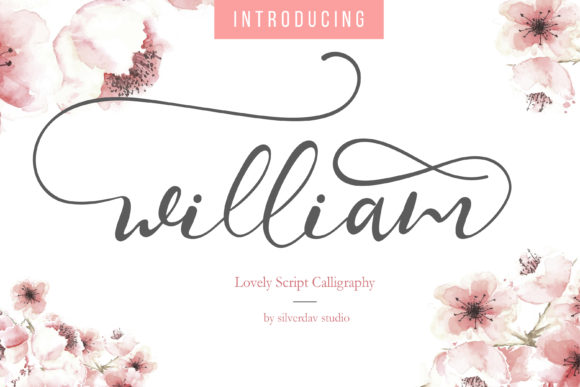
William is not merely a font; it is a fresh and modern calligraphy script designed to bridge the gap between traditional artistry and modern usability. It embodies an elegant and charming style, characterized by smooth flowing strokes, balanced letterforms, and a touch of playful sophistication. Unlike some ornate scripts that can be difficult to read or overly formal, William maintains a clean, approachable aesthetic. It is crafted to be versatile, offering the visual appeal of hand-lettering without requiring the skill of a calligraphy master, making beautiful typography accessible to everyone.
The Creative Challenges William Addresses
Many creatives and professionals face specific hurdles when seeking the right typographic voice for their projects.
- Seeking Distinctive Brand Personality: For startups, boutiques, or artisans, a generic font fails to convey uniqueness. William provides a memorable and stylish alternative that can set a brand apart.
- Adding Personal Touch to Digital Projects: Even in online spaces, a human, crafted feel is desirable for quotes, social media graphics, or website headers.
- Balancing Elegance with Legibility: Some scripts sacrifice readability for style. William is designed to be used in longer phrases or even short paragraphs, maintaining clarity.
- Finding a Versatile Single Solution: Purchasing or learning multiple fonts for different projects can be impractical. A versatile script like William can serve multiple roles.
How William Helps You Achieve Your Creative Goals
By integrating William into your toolkit, you address these challenges directly. Its design philosophy focuses on utility and beauty, enabling you to achieve specific outcomes.
Practical Applications and Outcomes
The applications for William are as broad as your imagination, but they naturally align with common creative needs.
For Greeting Cards and Invitations: William instantly elevates any personal stationery. Whether it’s a wedding invitation, a birthday card, or a holiday greeting, the script adds warmth and sincerity. The outcome is a physical item that feels considered, special, and professionally crafted, enhancing the emotional impact of your message.
For Branding Materials: From logo lockups to packaging tags, business cards to website hero text, William can become a core part of a brand’s visual identity. It works beautifully for brands in lifestyle, beauty, hospitality, or craft industries, helping to communicate values like quality, care, and artistry. The outcome is a cohesive and attractive brand presence that resonates with customers.
For Quotes, Posters, and Art Prints: Displaying a favorite quote or creating a motivational poster for a home office becomes a simple design task with William. Its elegant flow makes words look like art. The outcome is a striking visual piece that inspires or decorates, fulfilling a need for both meaning and beauty in personal or professional spaces.
For Much More: Consider using William for menu design, workshop titles on flyers, product labels for handmade goods, or even elegant email signatures. The outcome across all these uses is a consistent elevation of your project’s visual standard.
Implementing William: Recommendations and Considerations
To get the best results from the William script, a few practical considerations will guide your use.
- Pairing with Complementary Fonts: William shines as a display font for headlines, titles, and emphasis. For body text, pair it with a simple, neutral sans-serif or serif font to ensure optimal readability and a balanced composition.
- Playing with Scale and Color: Don't be afraid to use William at large sizes for maximum impact. Experimenting with color—from classic black and gold to softer pastels—can tailor its feel to your specific project mood.
- Respecting White Space: Because of its elegant details, allowing William enough breathing room in your layout prevents visual clutter and lets its beauty stand out.
- Testing Across Mediums: Before finalizing a print project, check how William renders at the intended size. For digital use, ensure it maintains its clarity on different screen backgrounds.
How Different Users Approach William
The utility of William manifests differently depending on the user’s primary focus.
The Professional Designer: They will see William as a reliable, well-crafted asset in their font library. They might use it to quickly establish a tonal direction for a client project, or employ it in a more complex typographic system where it serves as the stylistic accent. Their outcome is efficient, high-quality client work.
The Small Business Owner or Entrepreneur: With likely less design experience, this user values William for its ease of use and immediate effect. They can drop William into a Canva template for their social media banner or use it in their simple logo design, achieving a professional look without a large design budget. Their outcome is enhanced brand credibility and visual appeal.
The Hobbyist and Personal Project Creator: This user employs William for the joy and personal satisfaction it brings. They focus on the emotional outcome: creating a gift that feels more loving, decorating their home with a meaningful quote, or simply enjoying the process of making something beautiful. William empowers their personal expression.
A Focus on Usefulness and Implementation
Ultimately, the value of any creative tool lies in its ability to be used effectively. William’s greatest strength is its adaptability. It is a digital asset that mimics the human touch, solving the problem of how to add warmth and elegance to digital and print mediums alike. By focusing on the outcomes—a more memorable brand, a more heartfelt card, a more inspiring poster—you can guide your implementation of William. Start by identifying the core need of your current project: is it distinction, emotion, or decoration? Then, let the elegant and charming style of William provide the solution.
Remember, a typeface like William is more than software; it’s a partner in your creative process. When your goal is to communicate with grace, personality, and a modern touch, William is the calligraphy script ready to help you write that story.