Cabello: A Script for Authentic and Relaxed Design
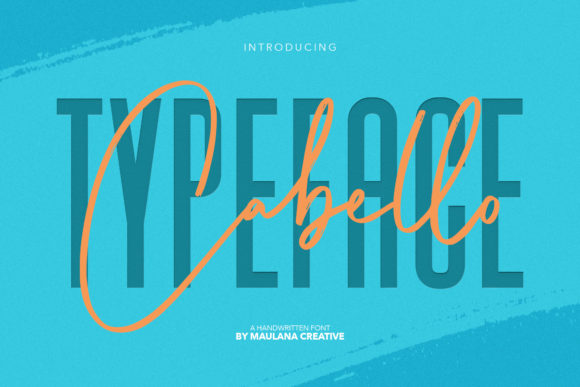
In the landscape of digital design, fonts are not merely decorative elements; they are functional tools that set the tone, convey meaning, and guide the user experience. Selecting the right typeface is a critical step in the design process, often determining the project's overall feel before any layout decisions are finalized. This is where Cabello comes into play. Cabello is a light and charming script typeface with a relaxed, handwritten vibe. It is a font designed to add an authentic, human touch to a wide array of projects, from branding and marketing materials to personal blogs and creative publications.
The choice of Cabello is typically made early in the planning phase of a project. A designer evaluating mood, brand personality, and target audience might find that a formal sans-serif feels too corporate, while a traditional serif might seem too rigid. Cabello offers a middle path—an organic, approachable aesthetic that feels personal without being overly casual or messy. This decision directly influences subsequent choices regarding color palettes, imagery style, and overall layout composition, creating a cohesive foundation from the start.
Integrating Cabello into Your Design Workflow
Integrating Cabello smoothly into your workflow requires considering its role at different project stages. Its application isn't limited to a single phase; it can be a defining element from conception to final output.
During the initial conceptualization and mockup phase, Cabello can be used in wireframes or mood boards to establish the intended aesthetic immediately. Placing it alongside selected photography or illustrations helps visualize the final harmony of elements. This early integration ensures that the relaxed vibe of Cabello isn't an afterthought but a core principle guiding the design.
In the execution and layout phase, Cabello interacts directly with other design assets. Its light weight and script nature mean it often pairs beautifully with simple, clean supporting fonts for body text—think versatile sans-serifs or geometric typefaces. This combination maintains readability while allowing Cabello to shine in headlines, logos, callouts, or quotes. It's also compatible with various design platforms, from professional software like Adobe Creative Suite to web-based tools like Canva or Figma. Ensuring you have the proper font files installed and accessible across your tools is a simple but crucial preparatory step for efficiency.
Finally, in the quality control and refinement stage, using Cabello consistently across all deliverables—social media graphics, website headers, printed brochures—builds brand cohesion. Checking its rendering on different mediums (web vs. print) for clarity and its scaling at various sizes for legibility is part of a thorough quality process. Because it is a script font, attention to spacing and context is key; it may not be suitable for dense blocks of text but excels in purposeful, accentuated applications.
Practical Applications and Use Cases
The authentic feel of Cabello makes it adaptable to numerous professional and personal contexts. Its use extends beyond mere decoration to become a functional part of communication.
For Branding and Business Identity
Small business owners, entrepreneurs, and freelancers can leverage Cabello to create a distinctive and friendly brand identity. It works exceptionally well for businesses that want to emphasize craftsmanship, personal service, or a creative approach—such as boutique retailers, independent consultants, cafes, or art studios. Using Cabello in the logo, on packaging, or in key marketing headlines instantly communicates a relaxed yet trustworthy personality. It integrates into the broader branding workflow alongside logo design, color scheme selection, and voice definition.
In Content Creation and Digital Publishing
Bloggers, educators, and content creators can use Cabello to add visual charm and break the monotony of standard web typography. It can be employed for article titles, featured quotes within a blog post, or section headers in online courses or e-books. This not only improves visual hierarchy but also makes the content feel more engaging and personally crafted. When integrated into a website via CSS, it requires consideration of web font loading performance and fallback fonts for compatibility, a normal part of web development workflow.
For Personal Projects and Creative Work
Hobbyists and individuals engaged in personal projects—such as designing invitations, crafting digital scrapbooks, or creating custom artwork—find Cabello’s handwritten style ideal for injecting warmth. It fits into a creative process that might involve digital collages, photo editing, and layout in simpler design applications. The font acts as a ready-made artistic element, saving time and providing consistency across personal project outputs.
Key Considerations for Effective Implementation
To use Cabello effectively and ensure long-term value, several practical factors related to preparation, organization, and consistency should be addressed.
Preparation and Asset Management: Once you acquire Cabello, organize it within your font management system. Group it with other fonts you frequently use for similar projects or by style category. This makes it readily accessible during the ideation phase, preventing workflow interruption.
Usability and Contextual Awareness: Understand its strengths and limitations. Cabello excels in accent roles. Use it for emphasis, not for lengthy body text. Be mindful of background complexity; its light, charming nature can get lost on busy backgrounds. Pairing it with ample white space or simple contrasting colors enhances its impact.
Consistency Across Outputs: Define a style guide or simple rules for its use within your project. Specify acceptable sizes, approved color applications, and permissible pairings with other fonts. This controls quality and ensures the authentic feel is maintained whether the output is a social media post, a PDF report, or a physical sign.
Efficiency in Repetitive Use: For projects where Cabello becomes a brand staple, create templates in your preferred design software that already incorporate the font. This streamlines production for recurring tasks like creating new blog graphics or marketing flyers, turning a stylistic choice into a time-saving workflow component.
Cabello in Collaborative and Multi-Tool Environments
Many modern workflows involve collaboration and the use of multiple tools. Cabello can fit seamlessly into these environments.
When working with teams, ensuring all members have access to the Cabello font file is fundamental. This might involve sharing the file through a cloud asset library or a shared project folder. Establishing the agreed-upon use cases for Cabello in a team style guide prevents inconsistent application. In workflows that jump between tools—for instance, initial design in Adobe Illustrator, prototyping in Figma, and final web implementation—confirming that Cabello is available and licenses are valid across these platforms avoids last-minute substitutions that compromise the design vision.
For marketers or publishers coordinating with external printers or web developers, clearly specifying where and how Cabello should be used in deliverable specifications is part of professional project management. Providing the font file along with guidelines ensures the third-party execution aligns with your planned aesthetic outcome.
Making the Decision to Use Cabello
The decision to integrate Cabello into a project ultimately hinges on matching the font’s character to the project’s goals. It is a strategic choice, not just a stylistic one. Before committing, ask practical questions: Does the relaxed, authentic vibe align with the message I need to convey? Is the audience likely to resonate with this handwritten style? How will this font interact with the other mandatory elements of the project? Answering these questions situates the selection of Cabello within a deliberate planning process, ensuring it becomes a purposeful and effective component of your final work.
By understanding its place in the broader design process, considering its practical applications, and preparing for its smooth integration, you can leverage Cabello not just as a font, but as a tool that enhances authenticity, improves visual communication, and adds a layer of charming personality to your professional and personal creations.